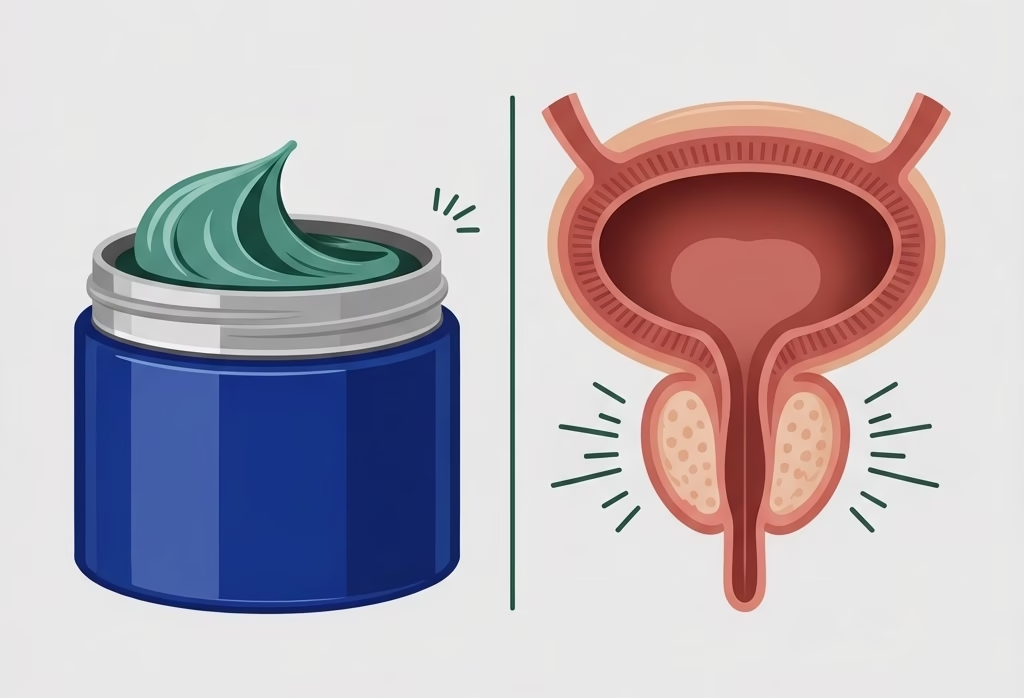
Iodine and prostate health is gaining attention as researchers explore how this essential mineral supports hormone balance, immune defense, and cellular health — all of which may influence prostate function, especially as men age.
But can iodine actually help with prostate enlargement, inflammation, or even cancer risk? How much iodine do men need daily? And should you get it from food or supplements?
Let’s break it down — clearly, scientifically, and without hype.
What Is Iodine and Why Does It Matter for Men’s Health?
Iodine is an essential trace mineral best known for supporting thyroid hormone production, which regulates metabolism, energy, temperature, and hormone balance throughout the body.
But iodine also plays roles in:
- Immune function
- Cellular antioxidant defense
- Hormone signaling
- Tissue health, including in the prostate
Men who are iodine deficient may experience fatigue, low metabolism, hormone imbalance, and weakened immune response — factors that can indirectly affect prostate health over time.
Iodine and Prostate: What Does Research Suggest?
Emerging research suggests that iodine may help maintain healthy prostate tissue by:
- Supporting cellular apoptosis (normal cell turnover)
- Reducing oxidative stress
- Modulating hormone activity
- Supporting immune surveillance
Some lab studies show iodine may inhibit abnormal cell growth in hormone-sensitive tissues, including breast and prostate cells — though large-scale human trials are still limited.
So while iodine is not a treatment for prostate disease, adequate intake may support long-term prostate wellness as part of a broader nutritional strategy.
Is Iodine Good for the Prostate?
In short: yes — when consumed at appropriate levels.
Adequate iodine intake supports:
- Healthy hormone balance
- Cellular repair mechanisms
- Immune defense against chronic inflammation
All of these systems play roles in prostate aging and enlargement.
Can Iodine Shrink the Prostate?
There’s currently no strong clinical evidence that iodine alone can shrink an enlarged prostate (BPH).
However, iodine may help support:
- Reduced oxidative stress
- Healthier cellular function
- Hormonal regulation
Which may indirectly contribute to better prostate outcomes over time — especially when combined with other proven nutrients and natural remedies.
In other words: iodine isn’t a miracle shrink-ray for the prostate, but it can be part of a smart, long-term prostate support strategy.
Iodine and Prostate Cancer: Is There a Link?
Some observational studies suggest populations with higher iodine intake (such as coastal regions with seafood-rich diets) may have lower rates of certain hormone-related cancers — including prostate cancer.
Lab studies also suggest iodine may:
- Induce apoptosis in abnormal cells
- Reduce oxidative DNA damage
- Support immune surveillance
But again, iodine is not a cancer treatment — and more research is needed before firm conclusions can be drawn.
Still, maintaining adequate iodine levels appears beneficial for cellular health in general, including in prostate tissue.
Iodine Dosage for Men and Prostate Health
✅ Recommended Daily Intake (RDI)
For adult men:
150 mcg (micrograms) per day
This amount supports thyroid and metabolic function — and is sufficient for general health, including prostate wellness.
⚠️ Upper Safe Limit
1,100 mcg per day
Going above this regularly can disrupt thyroid hormone production and cause adverse effects.
More iodine ≠ more benefits. Your prostate prefers balance, not chaos 😅
Best Food Sources of Iodine
Many men can meet iodine needs through food:
- Seaweed (kelp, nori, wakame — very high iodine)
- Seafood (cod, shrimp, tuna)
- Eggs
- Dairy products
- Iodized salt
👉 Want more food options? See 🍅 10 Foods to eat for Prostate Health
Iodine and Testosterone: Is There a Connection?
Indirectly, yes.
Iodine supports thyroid hormone production, and thyroid hormones influence:
- Testosterone metabolism
- Energy production
- Libido and mood
Severe iodine deficiency can contribute to hormonal imbalance, fatigue, and low metabolic function — which may indirectly affect testosterone signaling.
But iodine is not a testosterone booster, and it won’t raise levels beyond normal physiological range.
Iodine Deficiency in Men: Signs to Watch For
Possible symptoms include:
- Fatigue
- Cold sensitivity
- Brain fog
- Weight gain
- Dry skin
- Hormonal imbalance
Long-term deficiency can affect thyroid health, immune resilience, and cellular metabolism — systems that influence prostate aging.
Does Iodine Cause Side Effects?
When consumed within recommended ranges, iodine is very safe.
Potential side effects from excessive intake may include:
- Thyroid dysfunction
- Heart palpitations
- Digestive upset
- Skin reactions
If you have thyroid disease or are on medication, consult a healthcare provider before supplementing.
Complementary Support (Optional but Helpful)
Iodine works best as part of a broader prostate wellness strategy — not in isolation.
Many men combine iodine intake with:
- Anti-inflammatory nutrients
- Hormone-balancing plant compounds
- Circulation-supporting antioxidants
Likewise, many modern prostate formulas combine iodine-supportive nutrients with ingredients like saw palmetto, beta-sitosterol, lycopene, zinc, and pygeum — offering more comprehensive support than iodine alone.
👉 If you want to see a comparison of 3 science-backed supplement options, you can explore them here: 🥇 The 3 Best Supplements For Prostate Health
Because your prostate deserves a team — not a solo act 😏🧠
❓ FAQ – Iodine and Prostate Health
Is iodine good for the prostate?
Yes. Adequate iodine supports hormone balance, immune function, and cellular health — all relevant to prostate wellness.
Can iodine shrink an enlarged prostate?
No strong evidence supports iodine shrinking the prostate, but it may support healthy tissue function when combined with other nutrients.
How much iodine should men take daily?
Most men need about 150 mcg per day. Do not exceed 1,100 mcg daily without medical supervision.
Does iodine help prevent prostate cancer?
Some research suggests iodine may support cellular defense mechanisms, but it is not a cancer treatment.
Should men take iodine supplements?
Only if dietary intake is insufficient. Most men meet needs through food.
🔹 Final Thoughts – Iodine and Prostate Health: Can This Mineral Support Prostate Function Naturally?
Iodine isn’t a miracle cure — but it’s an essential mineral that supports systems directly tied to prostate function, including hormones, immunity, and cellular repair.
When consumed in appropriate amounts — especially as part of a broader natural prostate-support strategy — iodine may contribute to long-term prostate resilience and overall men’s health.
Not flashy. Just foundational. And foundations matter. 🧱😌
You may also find this helpful:
👉 🌿 Natural Remedies For Swollen Prostate – 11 Safe and Effective Options That Actually Work
👉 🥇 The 3 Best Supplements for Prostate After 50
👉 💊 Shrinking a Prostate Naturally: 6 Proven Ways That Actually Work (No Pills Required)
Disclaimer:
The information provided in this article is for educational purposes only and is not a substitute for professional medical advice, diagnosis, or treatment. While natural remedies and lifestyle changes may help relieve symptoms of an enlarged prostate, it’s important to consult with a healthcare provider—especially if symptoms persist or worsen. Early diagnosis and proper medical guidance are essential for long-term prostate health and overall well-being.