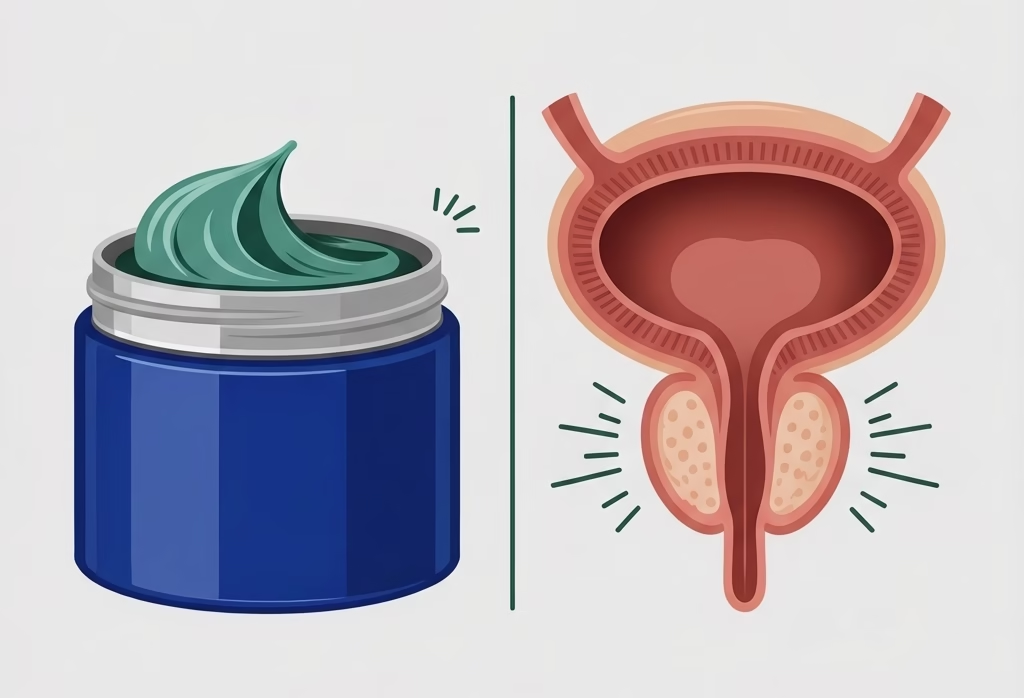
How much lycopene per day for prostate health is one of the most common questions men ask when searching for natural ways to support their prostate — especially if they’ve heard about tomatoes, tomato juice, or the famous “tomato trick.”
And the curiosity makes sense. Lycopene is one of the most researched plant compounds for prostate health, inflammation, and PSA balance. But how much do you actually need? Is food enough? Do supplements work better? And can lycopene really help with prostate enlargement?
Let’s break it down — clearly, honestly, and without medical scare tactics.
🧠 Quick Answer: How Much Lycopene Per Day for Prostate Health?
Most studies suggest that 10 to 30 mg of lycopene per day is the effective range for prostate health support.
Men dealing with:
- Enlarged prostate (BPH)
- Elevated PSA
- Prostate inflammation
- Frequent urination
often benefit most from 15–25 mg daily, whether from food, supplements, or a combination of both.
That said, lycopene doesn’t work like a drug — it works gradually by supporting inflammation control, oxidative balance, and cellular health. And when combined with other natural strategies, its effects are often stronger.
Now let’s unpack what that really means for your prostate 👇
🍅 What Is Lycopene — And Why Is It Good for the Prostate?
Lycopene is a powerful antioxidant carotenoid responsible for the red color in tomatoes, watermelon, pink grapefruit, and guava.
What makes lycopene special for prostate health is its ability to:
- Reduce oxidative stress in prostate tissue
- Support healthy inflammatory balance
- Help regulate PSA levels
- Support hormone metabolism (including DHT pathways)
- Protect prostate cells from age-related damage
This is why searches like:
- is lycopene good for the prostate
- lycopene benefits prostate
- lycopene prostate inflammation
keep trending — and why tomatoes are often called a “prostate superfood.”
🧬 Can Lycopene Shrink the Prostate?
Short answer:
👉 Lycopene does not directly shrink the prostate, but it may reduce inflammation, PSA levels, and symptom severity, which can feel like shrinkage in daily life.
Several studies show that men supplementing with lycopene experienced:
- Improved urinary flow
- Less nighttime urination
- Lower PSA progression
- Reduced inflammatory markers in prostate tissue
So while lycopene isn’t a magic eraser for prostate enlargement, it clearly supports the internal environment that allows the prostate to behave better — which is what most men care about anyway 😏
📏 How Much Lycopene Per Day for Prostate Health? – How Much Should I Take?
Here’s the dosage breakdown based on research and clinical use:
| Goal | Suggested Lycopene Intake |
|---|---|
| General prostate health | 10–15 mg/day |
| Enlarged prostate (BPH) support | 15–25 mg/day |
| PSA and inflammation support | 20–30 mg/day |
| From food alone | Usually 5–15 mg/day |
Most men aiming to support prostate enlargement fall comfortably in the 15–25 mg daily range.
This answers common searches like:
- how much lycopene should I take for enlarged prostate
- how much lycopene for prostate health
- how many mg of lycopene per day
🍅 The Tomato Trick for Prostate Health (Does It Work?)
You’ve probably seen searches like:
- what is the tomato trick for prostate
- tomato trick recipe for prostate
- prostate tomato juice
The “tomato trick” usually refers to consuming cooked tomato products daily, especially tomato sauce, tomato paste, or tomato juice — because heat dramatically increases lycopene absorption.
Raw tomatoes contain lycopene, but your body absorbs 3–4x more when tomatoes are:
- Cooked
- Paired with healthy fats (olive oil, avocado, etc.)
Simple Tomato Trick Recipe:
- ½ cup cooked tomato sauce
- 1 tablespoon olive oil
- Optional garlic and herbs
That alone can deliver 10–15 mg of lycopene, depending on concentration.
So yes — tomato-based foods absolutely support prostate health when consumed consistently.
👉 To understand everything about this famous “trick“, see What Is the Tomato Trick for Prostate? A Simple Viral Remedy Explained.
🥗 Foods High in Lycopene (Food List)
If you’re aiming to get lycopene naturally, here are the top sources:
| Food | Approx Lycopene Content |
|---|---|
| Tomato paste (½ cup) | 20–25 mg |
| Tomato sauce (½ cup) | 10–15 mg |
| Tomato juice (1 cup) | 8–10 mg |
| Watermelon (1 cup) | 6–7 mg |
| Pink grapefruit (½ fruit) | 4–5 mg |
| Guava (1 cup) | 8–9 mg |
This answers:
- lycopene food list
- food containing lycopene
- how much lycopene in watermelon
- is watermelon good for prostate
💊 Do Lycopene Supplements Work?
Many men ask:
- do lycopene supplements work
- best lycopene supplement for prostate health
Yes — supplements work, especially for men who:
- Don’t eat tomatoes regularly
- Want consistent dosing
- Are targeting PSA or BPH support
- Prefer convenience
Most prostate-focused formulas use 10–20 mg per serving, often alongside other compounds that enhance absorption and effect.
That’s also why lycopene frequently appears in broader natural prostate support strategies, rather than being used alone.
🧪 Lycopene and PSA Levels
Studies suggest lycopene may:
- Slow PSA rise
- Reduce oxidative damage to prostate cells
- Support healthier prostate signaling pathways
This explains searches like:
- does lycopene lower PSA
- lycopene and PSA
- lycopene prostate cancer
👉 Important:
Lycopene is not a treatment for prostate cancer, but it may play a supportive role in prostate cell health and risk reduction strategies.
🔥 Lycopene, Hormones & DHT
Many men wonder:
- lycopene testosterone
- lycopene and DHT
Lycopene does not suppress testosterone, but it may help regulate inflammatory pathways involved in prostate tissue growth — including some DHT-related activity.
In simple terms:
It doesn’t crash hormones. It supports healthier signaling.
🧃 Tomato Juice for Enlarged Prostate — Is It Enough?
Tomato juice can absolutely help — especially if:
- It’s cooked or pasteurized
- You consume at least 1 cup daily
- You pair it with fat (olive oil, eggs, avocado)
That said, most tomato juice provides 8–10 mg per cup, so men targeting higher therapeutic ranges (15–25 mg) often combine food + supplements.
This answers:
- is tomato juice good for enlarged prostate
- best tomato juice for prostate
- prostate tomato juice
⚠️ Lycopene Side Effects (Is It Safe?)
Lycopene is considered extremely safe.
Rare side effects (usually at very high doses):
- Mild stomach upset
- Temporary skin discoloration (orange tint — rare)
- Digestive bloating if consumed in excess food form
There’s no evidence lycopene causes hormonal disruption, kidney damage, or prostate harm.
So yes — lycopene is safe for long-term daily use.
🧠 Can Lycopene Shrink the Prostate Naturally?
Let’s be honest:
👉 Lycopene alone is unlikely to shrink prostate size, but it can improve urinary symptoms, reduce inflammation, and slow disease progression — which is what most men feel day-to-day.
This is why many men combine lycopene with broader lifestyle strategies, dietary changes, and targeted natural support approaches rather than relying on a single nutrient.
💡 Lycopene vs Supplements: Food or Capsules?
Best approach?
Both.
- Food = foundational
- Supplements = consistency and precision
Men who combine tomato-based foods with structured natural strategies typically see stronger results than those relying on food alone.
📌 Key Takeaways – How Much Lycopene Per Day for Prostate Health? (Safe Dosage, Benefits & the Tomato Trick)
✅ 10–30 mg of lycopene per day supports prostate health
✅ Best range for enlarged prostate = 15–25 mg daily
✅ Cooked tomatoes absorb better than raw
✅ Lycopene supports PSA balance and inflammation
✅ Safe for long-term use
✅ Works best when part of a broader prostate strategy
🔗 Complementary Support (Optional but Helpful)
Lycopene works best when combined with other proven natural remedies for prostate health, since inflammation, hormones, circulation, and urinary function rarely improve through a single nutrient alone. Many men also choose formulas that combine lycopene with clinically studied plant extracts — and these best prostate supplements often deliver more consistent results than food or single ingredients by themselves.
❓ FAQ – Lycopene and Prostate Health
How much lycopene should I take for enlarged prostate?
Most men benefit from 15–25 mg per day, depending on diet and symptom severity.
Is lycopene good for the prostate?
Yes. Lycopene supports prostate cell health, inflammation balance, and PSA regulation.
Can lycopene shrink the prostate?
It doesn’t directly shrink the gland, but it may improve symptoms and inflammatory processes that contribute to enlargement.
Is tomato juice good for enlarged prostate?
Yes — especially cooked or pasteurized tomato juice. One cup provides about 8–10 mg of lycopene.
What foods contain the most lycopene?
Tomato paste, tomato sauce, watermelon, pink grapefruit, and guava.
Does lycopene lower PSA?
Some studies suggest lycopene may help stabilize PSA levels over time.
🔹 Final Thoughts – How Much Lycopene Per Day for Prostate Health?
If you’ve been searching how much lycopene per day for prostate health, here’s the bottom line:
You don’t need massive doses. You don’t need extreme diets. And you definitely don’t need gimmicks.
Just 15–25 mg daily, consistently — from tomatoes, supplements, or both — can support your prostate in powerful, measurable ways over time.
Small nutrients, taken daily, often make the biggest difference 🍅🔥
You may also find this helpful:
👉 🌿 Natural Remedies For Swollen Prostate – 11 Safe and Effective Options That Actually Work
👉 🥇 The 3 Best Supplements for Prostate After 50
👉 💊 Shrinking a Prostate Naturally: 6 Proven Ways That Actually Work (No Pills Required)
Disclaimer:
The information provided in this article is for educational purposes only and is not a substitute for professional medical advice, diagnosis, or treatment. While natural remedies and lifestyle changes may help relieve symptoms of an enlarged prostate, it’s important to consult with a healthcare provider—especially if symptoms persist or worsen. Early diagnosis and proper medical guidance are essential for long-term prostate health and overall well-being.