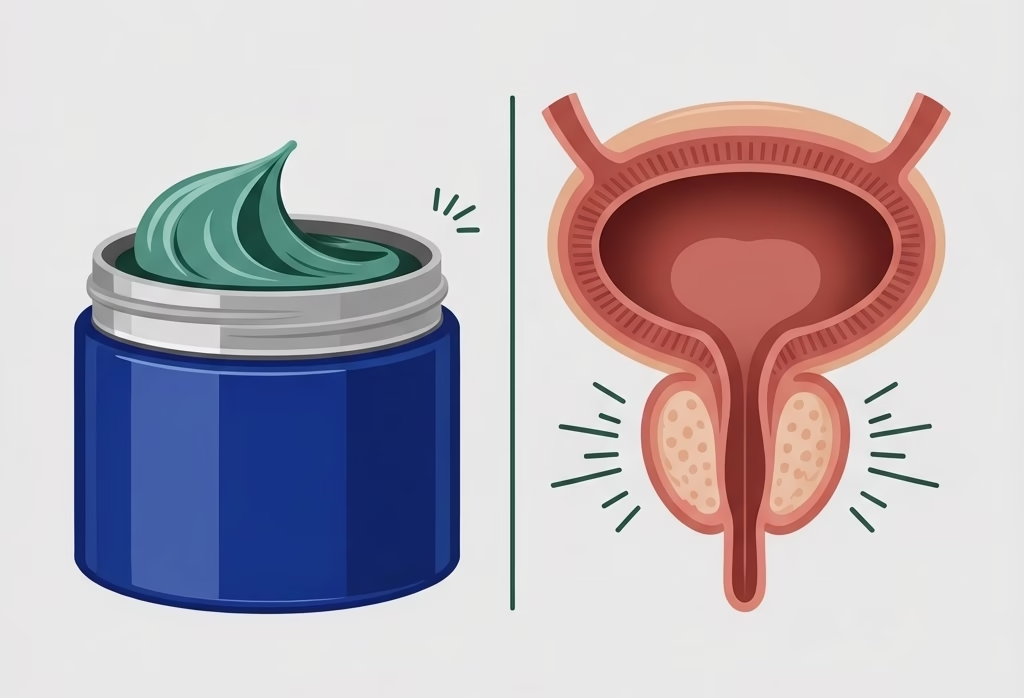
Enlargement of the prostate gland symptoms are often overlooked in the early stages, but recognizing them early can make a critical difference in preventing long-term complications. The prostate gland, located just below the bladder, naturally grows with age. However, excessive growth — commonly known as Benign Prostatic Hyperplasia (BPH) — can interfere with urinary function and overall quality of life.
In this article, you’ll learn how to recognize the most common enlarged prostate symptoms, understand why they happen, and know when it’s time to take action.
Updated in March 2026 to reflect the latest research and natural approaches for prostate health.
🔹 What Are The Early Enlargement Of The Prostate Gland Symptoms?
The earliest enlargement of the prostate gland symptoms usually begin with subtle urinary changes. These signs may seem harmless at first, but often worsen over time if left unaddressed.
Common early symptoms include:
- Frequent urination, especially at night (nocturia)
- Weak or interrupted urine stream
- Difficulty starting or stopping urination
- Feeling that the bladder doesn’t fully empty
These are classic signs of prostate enlargement and often signal increasing pressure on the urinary tract.
🚨 Advanced Symptoms and Warning Signs You Should Not Ignore
As prostate enlargement progresses, symptoms may become more severe and disruptive.
Advanced warning signs may include:
- Painful or burning urination
- Blood in the urine (hematuria)
- Sudden urgency with little urine output
- Complete inability to urinate (urinary retention)
Many men ask: can an enlarged prostate cause urinary tract infections?
Yes. When urine cannot flow freely, bacteria can multiply more easily, increasing the risk of UTIs.
If untreated, prostate enlargement may lead to recurrent infections, bladder stones, or even kidney damage. These are enlargement of the prostate gland symptoms that require prompt medical attention.
❓ What Exactly Is An Enlarged Prostate?
An enlarged prostate occurs when the gland increases in size and presses against the urethra, restricting urine flow. Although BPH is not cancer, it can significantly affect daily comfort and sleep quality.
Men over 50 are most commonly affected, but enlargement of the prostate gland symptoms may begin earlier. In some cases, imaging tests reveal visible prostate enlargement, which leads many men to search for enlarged prostate gland pictures to better understand the condition.
⏰ When Should You See a Doctor?
You should seek medical evaluation if you experience:
- Inability to urinate
- Severe pain in the lower abdomen or bladder
- Frequent urinary tract infections
- Blood in the urine
Early diagnosis allows for better symptom control and reduces the risk of complications.
🌿 Natural Approaches to Support Prostate Health
While medical treatment is sometimes necessary, many men explore natural approaches to support prostate health and ease urinary symptoms.
These strategies may include:
- 🥦 Anti-inflammatory foods (tomatoes, green tea, pumpkin seeds)
- 💧 Staying hydrated to reduce infection risks
- 🏃 Exercising regularly to support circulation and hormone balance
At this stage, many men wonder whether it’s possible to shrink the prostate naturally without medication before symptoms become severe.
📣 Can Enlargement of the Prostate Gland Be Prevented?
There is no guaranteed way to prevent prostate enlargement, but lifestyle choices play a major role in slowing its progression.
Helpful habits include:
- Maintaining a healthy weight
- Limiting alcohol and caffeine
- Reducing highly processed foods
Some men also consider natural supplementation as a preventive strategy. Ingredients such as saw palmetto, pygeum, zinc, and beta-sitosterol have been studied for their potential to support urinary flow and hormone balance, possibly slowing prostate growth over time.
Regular screenings are also important, especially for men over 50 or those with a family history of prostate issues. In addition to medical evaluation and lifestyle changes, some men also explore short techniques circulating online — including what is known as the 15-second prostate method — to better understand how bladder pressure and prostate discomfort are connected.
📌 Key Takeaways
- Enlargement of the prostate gland symptoms often begin with mild urinary changes
- Symptoms may worsen over time if left untreated
- Prostate enlargement can increase the risk of urinary tract infections
- Early awareness and lifestyle support play an important role in long-term prostate health
👉 Final Thoughts – Enlargement Of The Prostate Gland Symptoms You Should Never Ignore
Enlargement of the prostate gland symptoms are your body’s early warning system. Recognizing them and taking action early can protect your urinary health, sleep quality, and overall well-being.
Don’t ignore the signals — understanding your symptoms is the first step toward regaining control.
❓ FAQ: Enlargement Of The Prostate Gland Symptoms
Can an enlarged prostate cause urinary tract infections?
Yes. Restricted urine flow creates an environment where bacteria can grow, increasing UTI risk.
What are the most common enlarged prostate symptoms?
Frequent urination, weak urine stream, nocturia, and incomplete bladder emptying.
When should prostate enlargement become a concern?
If you experience pain, blood in urine, or inability to urinate, seek medical care promptly.
How quickly can symptoms improve with natural approaches?
Results vary, but some men notice improvements within weeks when consistent lifestyle changes are made.
You may also find this helpful:
👉 Shrinking a Prostate Naturally – 6 Proven Ways That Actually Work (No Pills Required)
👉 What Is a Dangerous PSA Level? What the Numbers Really Mean — and When You Should Worry
👉 Vicks VapoRub for Prostate: What You Should Know (And Why So Many Men Are Trying It)
Disclaimer:
The information provided in this article is for educational purposes only and is not a substitute for professional medical advice, diagnosis, or treatment. While natural remedies and lifestyle changes may help relieve symptoms of an enlarged prostate, it’s important to consult with a healthcare provider—especially if symptoms persist or worsen. Early diagnosis and proper medical guidance are essential for long-term prostate health and overall well-being.