Prostate exercises for enlarged prostate are among the most searched topics by men dealing with BPH symptoms. And it makes sense: exercise is accessible, low‑cost, and improves overall health. But here’s the part most articles skip — what prostate exercises can help, what they can’t, and how to use them the smart way.
This guide brings together the most talked‑about prostate exercises, BPH exercises, and prostate yoga practices, separating proven benefits from internet myths — without medical fear‑mongering.
Let’s dive in 👇
Updated in March 2026 to reflect the latest research and natural approaches for prostate health.
🧠 Do Prostate Exercises for Enlarged Prostate Really Work? (Quick Answer)
Many men ask:
- Does exercise help prostate health?
- Can exercise shrink the prostate?
- Is exercise good for enlarged prostate?
The honest answer: exercise supports prostate health, but it does not directly cure prostate enlargement.
Studies and clinical experience show that physical activity can:
- Improve blood circulation in the pelvic region
- Reduce inflammation
- Strengthen pelvic floor muscles
- Help relieve prostate pressure
- Improve urinary flow control
However, exercise alone cannot reverse prostate enlargement caused by hormonal imbalance or chronic inflammation — which is why some men feel partial relief, while others see little change.
That doesn’t mean prostate exercises are useless. Quite the opposite. Used correctly, they become a powerful support strategy.
Let’s get started — your prostate will thank you.
🧐 What Causes Prostate Enlargement in the First Place (BPH)?
Before we get into the routines, it’s important to understand why your prostate might be enlarged.
- The prostate grows naturally with age — especially after 40.
- Hormonal imbalances (especially DHT, a potent form of testosterone) fuel this growth.
- Inflammation, stress, and lack of physical activity worsen the symptoms.
The result? Benign Prostatic Hyperplasia (BPH), a condition that affects over 50% of men by age 60. The prostate presses on the urethra and bladder, leading to frustrating symptoms:
- Interrupted sleep due to nighttime urination
- Frequent urges to urinate
- Weak urine stream
- Trouble starting or stopping urination
The good news? Certain prostate exercises for enlarged prostate, especially those that engage the pelvic floor and boost circulation, may help manage or even reduce these symptoms.
🧠 Why Prostate Exercises for Enlarged Prostate Matter
Your prostate may be small, but its effects on your quality of life can be massive. Thankfully, you don’t need to hit the gym or lift heavy weights to support it. In fact, some of the best prostate exercises involve gentle movements that:
- Improve circulation around the pelvic area
- Reduce inflammation and oxidative stress
- Balance hormone levels
- Enhance bladder control
And the best part? These exercises are easy, drug-free, and backed by science.
🏃♂️ 1. Kegel Exercises (Pelvic Floor Exercises for Prostate Health)
Target: Pelvic floor muscles
Why it helps: Improves bladder control and urinary flow
Kegels are one of the most studied prostate exercises for men, especially those with BPH.
How to do it:
- Tighten the muscles you’d use to stop urinating
- Hold for 5 seconds
- Relax for 5 seconds
- Repeat 10–15 times, up to 3x per day
💡 Tip: Don’t squeeze your abs or glutes — focus only on the pelvic floor.
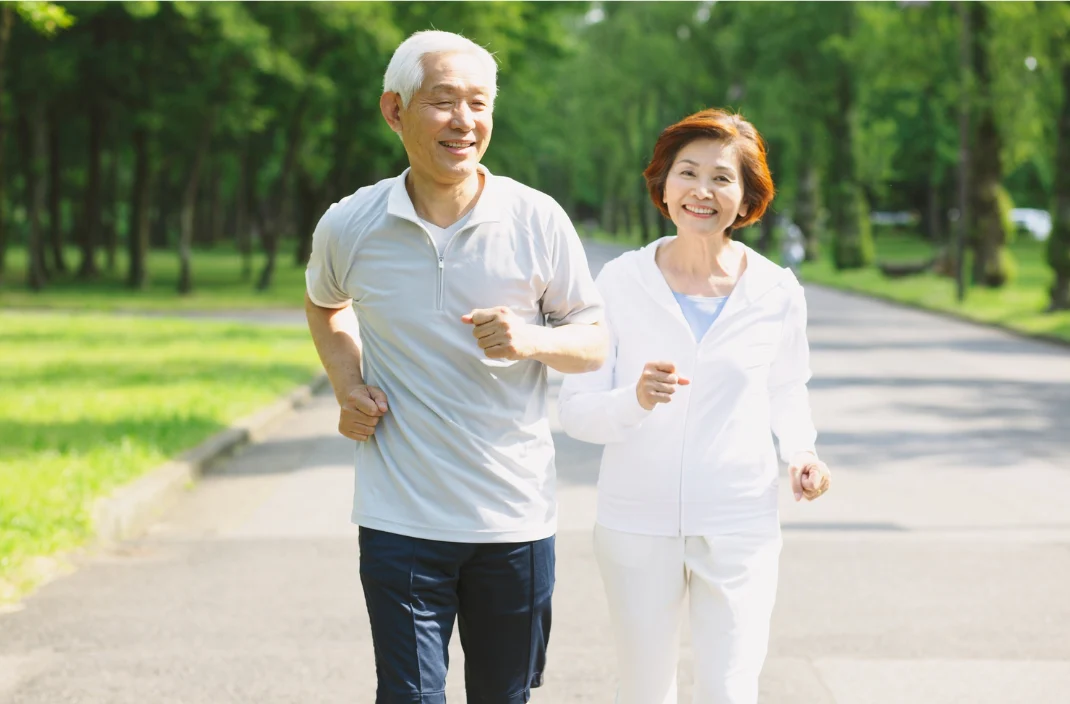
🚶♂️ 2. Walking or Gentle Cardio
Target: Circulation & inflammation
Why it helps: Supports hormone balance and prostate health
A simple 30-minute daily walk improves blood flow, helps manage weight, and reduces inflammation — all linked to better prostate outcomes.
How to do it:
- Walk daily (outdoors or treadmill)
- Increase pace gradually
- Stay consistent
👉 Many men ask: Is walking good for enlarged prostate?
Short answer: Yes — absolutely.
🧘♂️ 3. Pelvic Tilts
Target: Lower back, hips, core
Why it helps: Relieves pelvic pressure and supports bladder muscles
How to do it:
- Lie on your back, knees bent
- Flatten your lower back into the floor
- Hold for 3 seconds
- Release and repeat 10–15 times
Great for men who sit a lot.
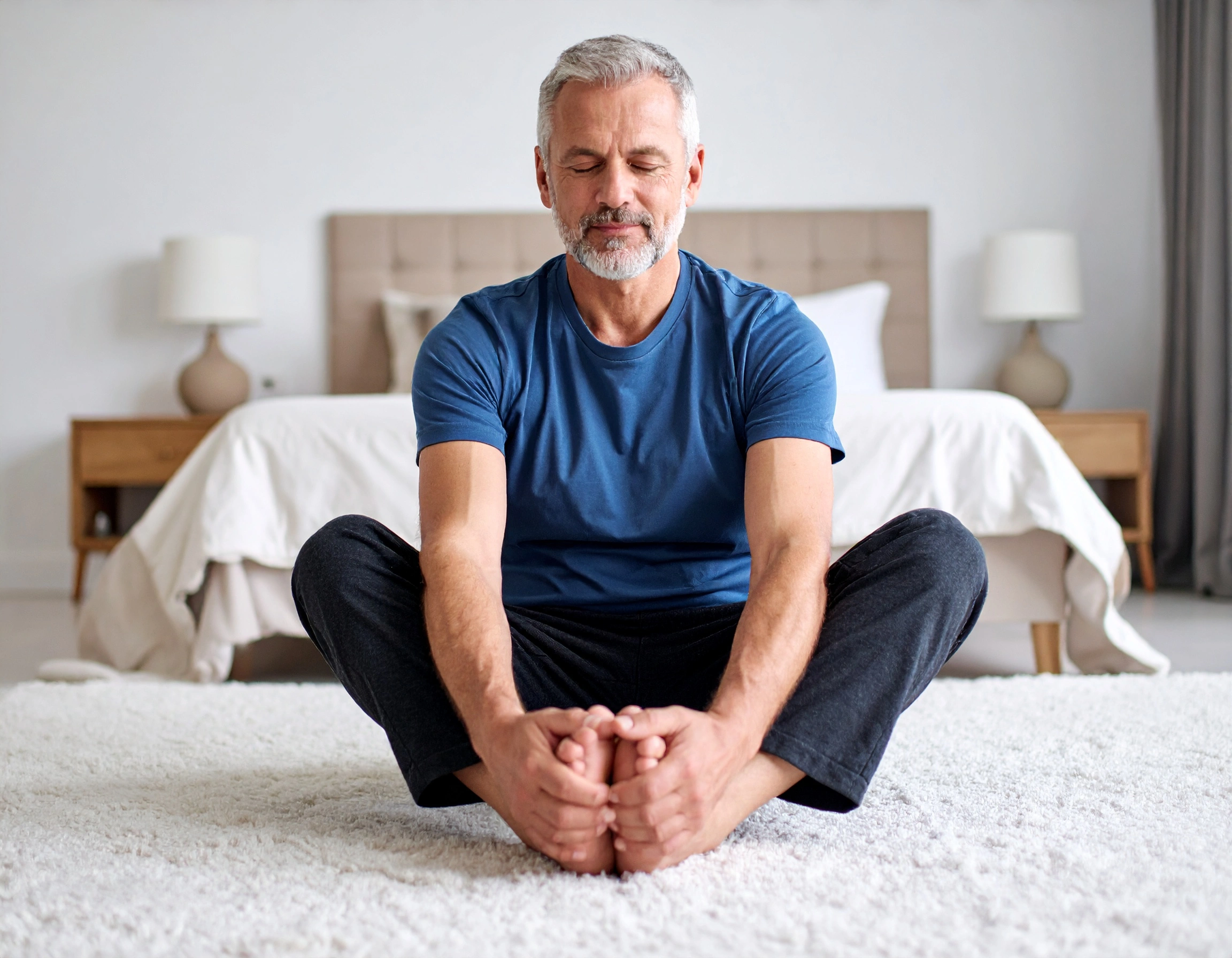
🦋 4. Butterfly Stretch (Prostate Stretch)
Target: Inner thighs and groin
Why it helps: Improves pelvic flexibility and circulation
This is one of the easiest prostate stretches you can do.
How to do it:
- Sit on the floor
- Soles of feet together
- Gently press knees downward
- Hold 30 seconds
🏋️♂️ 5. Squats (With Caution)
Target: Lower body & hormone balance
Why it helps: Improves circulation and metabolic health
Squats activate large muscle groups that support hormone regulation.
How to do it:
- Start with body weight only
- Feet hip-width apart
- 2–3 sets of 10 reps
⚠️ If squats worsen symptoms, stop. Not all exercises are ideal for everyone.
🌬️ 6. Deep Abdominal Breathing (Stress & Prostate Relief)
Target: Stress, pelvic relaxation
Why it helps: Lowers cortisol and relaxes prostate-related muscles
Stress worsens prostate symptoms by increasing cortisol and tightening pelvic muscles, which can interfere with bladder emptying and urinary flow. Breathing exercises help to calm the nervous system.
How to do it:
- Repeat for 5 minutes daily
- Inhale deeply into the belly
- Exhale slowly
Some men also explore short, body-based relaxation techniques designed specifically for the pelvic region — including brief routines that focus on releasing internal tension and improving circulation.
If you’re curious, this explanation of the 15-Second Prostate Method breaks down how this type of approach works and why so many men are researching it.
🧘♂️ 7. Full-Body Stretching (Yoga for Prostate Health)
Target: Whole body
Why it helps: Reduces tension and supports circulation
Stretching helps relax the pelvic area and supports hormone balance.
How to do it:
- Stretch from neck to ankles (or vice versa)
- Hold each stretch ~10 seconds
- Avoid pushing into pain
👉 Many men search for prostate yoga exercises — this is a simple place to start.
⌛ How Long Until I See Results?
While these exercises aren’t a magic fix or a guaranteed way to shrink the prostate, many men report improvement in just a few weeks when done consistently. Pairing exercise with proper hydration, healthy eating, and better sleep habits can speed up progress.
Consistency is key — think of these movements as maintenance for your body.
📌 Key Takeaways
✅ Prostate exercises for enlarged prostate can reduce symptoms naturally
✅ Kegels, squats, pelvic tilts, and walking are your allies
✅ Consider lifestyle changes for better results
✅ Addressing root causes is the real path to relief
🔗 Complementary Support (Optional but Helpful)
Exercise works best to support prostate health when combined with a prostate-friendly diet, smart lifestyle adjustments, and natural approaches such as herbs and daily self-care practices.
🔹 Final Thoughts
You don’t need extreme workouts to support your prostate.
Consistent, simple prostate exercises for enlarged prostate — combined with healthy habits — may significantly improve daily comfort, bladder control, and confidence.
Small movements, done daily, often make the biggest difference.
❓ FAQ – Prostate Exercises For Enlarged Prostate
❓ Can I do these exercises if I’ve already been diagnosed with BPH?
Yes. These movements are gentle and designed for men dealing with an enlarged prostate. Still, speak to your doctor before beginning any new routine.
❓ How often should I do them?
Aim for 5–6 days a week. You can do Kegels multiple times per day, while stretches and cardio can be once daily.
❓ Do I need special equipment?
Nope! Just a floor, a chair, and a bit of consistency.
❓ Can Exercise Shrink Your Prostate Alone?
While exercise helps, it’s often not enough on its own. Your body might still be battling:
Hormonal imbalances
Chronic inflammation
Nutritional deficiencies
That’s why many men combine exercise with other strategies to boost their results — and get faster relief.
You may also find this helpful:
👉 The 3 Best Supplements For Prostate After 50
👉 Vicks VapoRub for Prostate: What You Should Know (And Why So Many Men Are Trying It)
👉 What Is the 15-Second Prostate Method — And Why Men Are Curious About It
Disclaimer:
The information provided in this article is for educational purposes only and is not a substitute for professional medical advice, diagnosis, or treatment. While natural remedies and lifestyle changes may help relieve symptoms of an enlarged prostate, it’s important to consult with a healthcare provider—especially if symptoms persist or worsen. Early diagnosis and proper medical guidance are essential for long-term prostate health and overall well-being.